Japan Travel Insurance: Plans & Prices
 Written By
  Reviewed By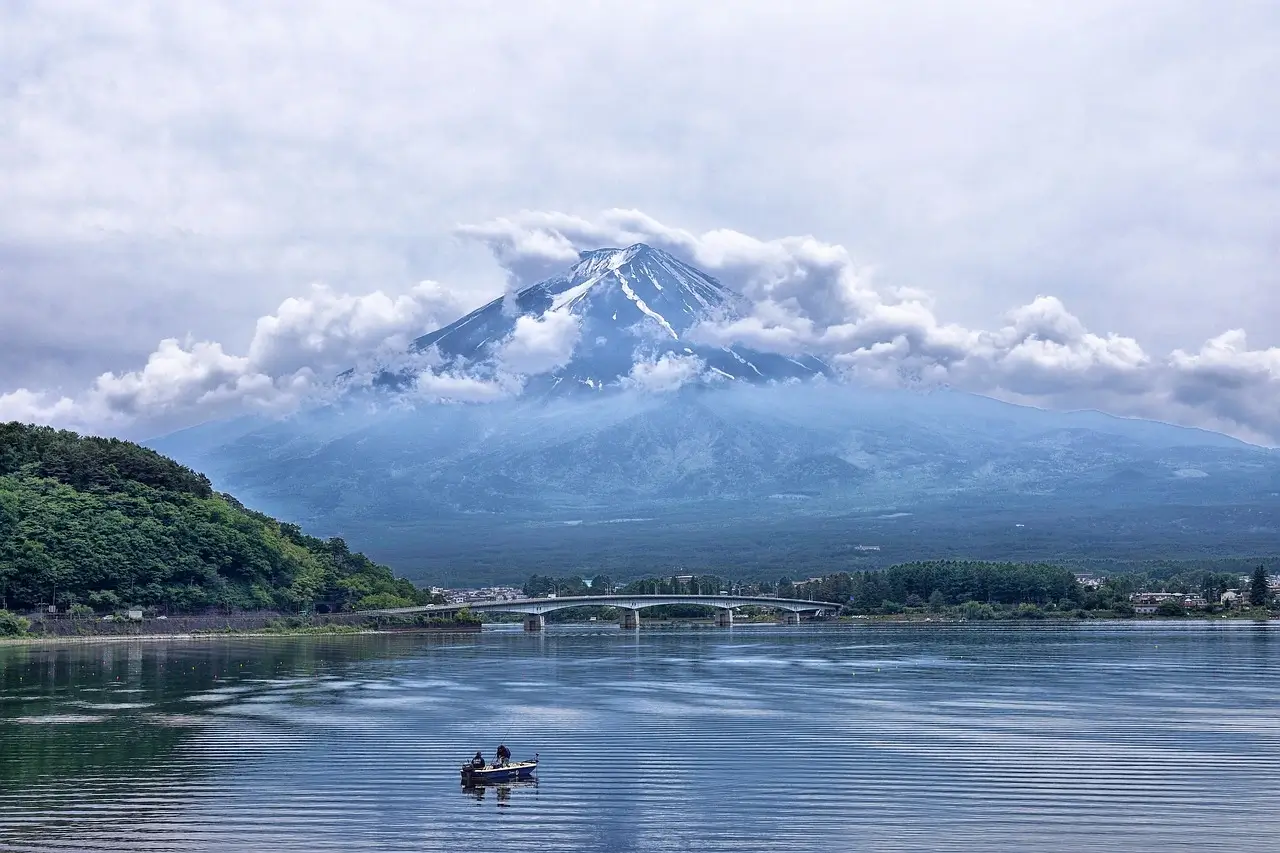
Key Takeaways
-
According to Squaremouth policy sales from the previous 12 months, the top-selling travel insurance plans for trips to Japan are offered by IMG, Tin Leg, and Travel Insured International.
-
Medical costs in Japan are generally lower than in the United States, but tourists should expect to pay for treatment up front, as U.S. insurance is not accepted.
-
Natural disasters, including tsunamis, volcanic eruptions, and earthquakes, are extremely common in Japan and can result in costly travel disruptions.
-
Travelers to Japan in 2026 should prepare for high travel costs due to tourist markups, newly implemented taxes, and a busier-than-usual typhoon season.
-
Travelers typically spend around $478 on travel insurance to Japan. This amounts to $28 per day for a typical 17-day trip.
-
Try our online travel insurance comparison tool to get travel insurance quotes for Japan from multiple providers at once. For personal assistance, call our award-winning agents at 1-800-240-0369
Our Top Recommended Japan Travel Insurance Plans


Over the last 12 months, the top three travel insurance plans purchased by travelers with upcoming trips to Japan on Squaremouth were:
Do I Need Travel Insurance to Visit Japan?
Japan does not require travel insurance for entry, but since U.S. health insurance is not accepted, travel medical coverage is strongly recommended for all visitors.
From natural disasters to high travel costs, Japan comes with unique risks that can result in significant financial loss. Travel experts and government agencies all recommend a comprehensive travel insurance policy that includes strong medical, evacuation, and cancellation coverage.
Note that many hospitals in Japan require upfront payment before providing treatment to foreign visitors. In some cases, your travel insurance provider can arrange direct payment so that you avoid out-of-pocket expenses altogether.
“Japan is the safest and cleanest destination I’ve ever visited. However, between the cost of the long flight to get there, hotel costs, activities, and the potential for a large medical bill if you get sick or injured, there are plenty of risks to insure. A travel insurance policy is still a good idea.” – Robin Ratcliff, marketing content specialist for Squaremouth
Reasons Why You May Need Travel Insurance When Traveling to Japan
High Travel Costs
Japan is expensive to visit compared to other global destinations. According to Squaremouth data, travelers spend roughly $8,197 on airfare, hotels, and other prepaid expenses. In 2026, costs for travel to Japan will be rising steeply due to the high demand for travel there. Starting in July, tourists to Japan must pay a departure fee of around $19, on top of accommodation taxes that hubs like Tokyo and Kyoto have recently implemented. Plus, Japan now has dual pricing for tourists, with a 30%-100% markup for popular spots, like museums, temples, and restaurants, to ease the pressure on over-visited destinations.
High trip costs can result in significant loss if travel disruptions impact your vacation.
✅ Comprehensive travel insurance can cover up to 100% of your travel expenses if you’re forced to cancel your trip for a covered reason, such as an unexpected illness, injury, or death in the family.
Medical Emergencies and Hospital Costs
According to the U.S. Embassy in Japan’s website, English-speaking physicians and medical facilities that cater to U.S. citizens’ expectations are expensive and not widespread. Additionally, hospitals may require upfront payment before providing treatment.
✅ Travel health insurance for Japan ensures you receive care without unexpected financial burdens and can cover hospital stays, doctor visits, and emergency transportation. Some providers can arrange upfront payment if required.
“When we arrived in Japan in March for cherry blossom season, we were all nursing colds and fevers that we’d picked up just before our flight. Our first stop was a pharmacy in our hotel. Our illnesses were minor, so it wasn’t expensive, but we did have to pay up front for it.” – Robin
Foodborne Illness
Although Japan is known for its high food safety standards, travelers may still experience foodborne illnesses from unfamiliar ingredients, raw seafood, or contaminated water in rural areas. Eating raw fish, shellfish, or street food that your body isn’t accustomed to can sometimes lead to stomach issues or more severe conditions like food poisoning.
✅ Travel insurance can cover medical treatment for food-related illnesses, including doctor visits, hospital stays, and medications if you experience food poisoning or other digestive issues during your trip.
“Japanese hygiene is superlative, so you are unlikely to catch a foodborne illness from a regular restaurant. You will encounter many challenging street foods, however, like takoyaki, raw fish, and sushi that they warn tourists not to eat. If you’re like me and eat everything you can find in a food stall, you have high odds of tummy troubles.” – Robin
Travel Delays & Missed Connections
Traveling to Japan often involves taking multiple flights, increasing the risk of flight delays, and preventing you from reaching your destination as scheduled. If you have a short layover, even a short delay can result in you missing your connecting flight. While Japan’s rail system rarely experiences delays, there have been a few high-profile infrastructure failures recently that could put a snag in your travel plans.
✅ Travel insurance can cover additional expenses incurred due to missed connections or extended delays, such as hotel stays and rebooking fees.
“The Japanese transit system is extraordinarily efficient; you will rarely be delayed for anything. However, the subways are serpentine mazes that can be very challenging to navigate, even though signs in most places have English translations. On our last day there, two hours away from our airport in Tokyo, we boarded a train headed in the opposite direction. Luckily, my husband caught our mistake, and we switched trains at the next station. We would have missed our flight otherwise!” – Robin
Natural Disasters (Earthquakes, Typhoons, & Tsunamis)
Japan is prone to natural disasters, including earthquakes, typhoons, and tsunamis. Typhoon season runs from June to October, and earthquakes can occur at any time. Meteorologists predict a very active typhoon season for Japan in 2026, so travel insurance is a wise choice if you’ll be traveling near the coast during peak season.
✅ Comprehensive travel insurance can cover trip interruptions, cancellations, and delays caused by natural disasters.
Adventure Activities & Outdoor Accidents
Japan is known for skiing in Hokkaido, hiking Mount Fuji, and other adventure activities. Injuries from these activities may not be covered under standard travel insurance.
✅ Look for policies that specifically cover adventure sports if you plan to participate in high-risk activities.
More Details on the Best Travel Insurance for Japan
Most Popular Japan Travel Insurance Plan

Medical / Med Evac Coverage
$100,000 / $500,000Cancellation / Interruption Limits
100% / 150% of trip cost
The most popular travel insurance policy among Squaremouth customers visiting Japan, accounting for more than 20% of all policy sales for the destination
Features up to $500,000 in Medical Evacuation coverage and up to $100,000 Emergency Medical coverage, which can reimburse your emergency transportation costs and medical expenses if you need to be airlifted to a nearby hospital or back to the United States for treatment
Includes $100,000 in Non-Medical Evacuation coverage, helping cover the cost of emergency transportation if you need to evacuate Japan due to a typhoon, tsunami, volcanic activity, earthquake, or other natural disaster.
Provides up to $1,000 in Trip Delay protection, covering meals and accommodations if your flight to Japan is delayed by at least six hours due to a covered reason.
Strongest Medical Coverage

Medical / Med Evac Coverage
$500,000 / $500,000Cancellation / Interruption Limits
100% / 150% of trip cost
Covers a wide range of unexpected medical expenses incurred throughout your trip to Japan, providing up to $500,000 in Emergency Medical and Medical Evacuation coverage per person.
Fairly high limits for trip cancellation and interruption, covering up to $30,000 in prepaid, non-refundable trip costs per person.
Provides coverage for a variety of popular Japanese adventure sports and activities, including skiing, hiking, and surfing.
Great Option for Trip Cost Protection

Medical / Med Evac Coverage
$100,000 / $500,000Cancellation / Interruption Limits
100% / 150% of trip cost
Covers up to $100,000 in prepaid travel expenses, making it a great option if your trip to Japan includes expensive airfare, high accommodation costs, and other upfront deposits
Provides the ability to upgrade your coverage with Cancel For Any Reason and Interruption For Any Reason benefits to further protect your Japan travel expenses from cancellations
Protects your trip costs against a broad range of cancellation reasons, including illness, injury, severe weather, layoffs, and supplier financial default.
Covers children under 18 at no additional cost, making it a cost-effective choice for families traveling to Japan
How Much Does Japan Travel Insurance Cost?
In 2026, the average cost of travel insurance for Japan is $28 per day.
This is based on internal sales data from travelers who used Squaremouth to protect their purchased trips to Japan over the last 12 months. The average traveler spent $478 on Japan travel insurance for an average stay of 17 days in the country.
That said, it’s possible to find even cheaper travel insurance for Japan by opting for medical-only travel coverage.
Here are sample costs for the most popular Japan travel insurance plans. These quotes below are for a 35-year-old traveler purchasing basic medical travel insurance for a 17-day, $8,000 trip to Japan:
Medical-Only Travel Insurance Cost Example
| Provider | Plan Name | Plan Cost | Cancellation / Interruption Limits | Medical/Medevac Limits |
|---|---|---|---|---|
| IMG | iTravelInsured Choice | Not Available | $0 / $0 | $100,000 / $500,000 |
| Tin Leg | Gold | $28 | $0 / $0 | $500,000 / $500,000 |
| Travel Insured International | FlexiPax | $27 | $0 / $0 | $100,000 / $500,000 |
From this example, you can see that purchasing medical insurance for a Japanese vacation can be budget-friendly, with some plans costing as little as $1.60 per day.
The plans listed above can provide you with strong financial protection against unexpected medical expenses, as well as cover expenses relating to other common disruptions like delays and baggage loss.
If you’re concerned about protecting your travel expenses, you’ll need a comprehensive travel insurance policy. The quotes in the table below are for comprehensive policies that include cancellation coverage using the same trip details.
Comprehensive Travel Insurance Cost Example
| Provider | Plan Name | Plan Cost | Cancellation / Interruption Limits | Medical/Medevac Limits |
|---|---|---|---|---|
| IMG | iTravelInsured Choice | $212.84 | $8,000 / $12,000 | $100,000 / $500,000 |
| Tin Leg | Gold | $396.00 | $8,000 / $12,000 | $500,000 / $500,000 |
| Travel Insured International | FlexiPax | $272.00 | $8,000 / $12,000 | $100,000 / $500,000 |
Travelers visiting Japan who want to protect expenses like airfare, hotel stays, or cruise reservations should consider comprehensive coverage. The cost of these policies usually varies between 4-10% of your total insured trip costs.
Using the prices above, you can purchase reputable comprehensive travel insurance for as little as $12 – $23 per day.
The prices listed above are examples of how much you can expect to pay for travel insurance for Japan. The price of your coverage will depend on factors like travel dates, age, coverage type, and overall trip costs.
What Travel Coverage Do I Need for Japan?
Regardless of your itinerary and travel dates, we recommend purchasing travel medical coverage at a minimum when visiting Japan. That said, a comprehensive travel insurance plan is always best if it fits into your budget.
Here are the key benefits you should keep an eye out for when buying travel insurance for Japan:
Travel Medical Coverage
Despite having excellent medical facilities, receiving medical care in Japan can be expensive for foreign visitors. Since Japan does not accept U.S. health insurance, you will be financially responsible for medical costs if you do not have alternative coverage.
A travel medical policy can be relatively affordable, and can protect you from paying hefty out-of-pocket medical expenses when visiting Japan. We recommend a policy with at least $50,000 in Emergency Medical coverage. Some policies cover pre-existing medical condition flare-ups during your trip.
Medical Evacuation Coverage
While Japan has adequate medical facilities in major cities, adequate treatment can be hard to access if you’re visiting a remote area of the country. Medical Evacuation coverage ensures you will be transported to a reputable hospital, or even back to the U.S., if necessary.
Evacuation costs can exceed $50,000, making this coverage crucial. Additionally, most policies include medical repatriation in case of death during your trip. At a minimum, we recommend plans that include at least $100,000 in Medical Evacuation coverage.
Trip Cancellation & Interruption Insurance
Traveling to Japan can be very costly, especially when factoring in expenses like flights, hotel bookings, tours, and excursions. If you need to cancel or cut your trip short due to an unforeseen event, trip cancellation and interruption coverage can reimburse you for your prepaid, non-refundable travel expenses.
Many popular comprehensive travel insurance plans will reimburse up to 100% of your insured trip costs if you’re forced to cancel your trip due to illness, injury, death of a family member, or severe weather.
Some policies will also cover up to 150% of unused travel expenses if you have to end your trip early for a covered reason. The additional reimbursement is intended to help cover the cost of transportation back home.
Insurance for Baggage and Personal Items
Japan is generally safe for tourists, but baggage loss and baggage delays can occur anywhere in the world. Baggage loss protection can reimburse you for lost, damaged, or stolen items such as phones, cameras, and laptops.
Keep in mind, some policies have high deductibles or low reimbursement limits, so compare plans carefully. Leaving irreplaceable valuables at home when traveling is always a good idea.
What Isn’t Covered by Japan Travel Insurance?
Most standard policies will not cover:
- Disruptions related to known events, such as named storms or severe weather events that were publicly known prior to purchasing the policy
- Pre-existing medical conditions (unless you purchase a waiver)
- Extreme sports – Accidents that occur while scuba diving, surfing, or participating in other adventure activities are not covered unless your policy includes the Sports & Activities benefit
- Civil unrest and government travel advisories – If the U.S. issues a travel ban, standard insurance may not apply
Tips for Getting the Best Travel Insurance for Japan
Use a Comparison Tool
As the nation’s largest travel insurance marketplace, we allow travelers to view more policies and providers than any other comparison site. Comparing multiple plans side-by-side allows you to find the best coverage for your Japan getaway at the lowest possible price.
Read the Fine Print and Policy Exclusions
Before buying your insurance policy, it’s important to read the full policy inclusions and exclusions to understand what is covered. For example, some policies exclude certain adventure sports or have special conditions for covering pre-existing conditions. Be sure to cross-reference the exclusions section with your unique situation to ensure you can be adequately covered.
Consider Your Specific Travel Risks When Buying Coverage
When visiting Japan, be sure to consider the unique destination-specific risks involved with your trip. Consider coverage for natural disasters that Japan is known for, as well as any adventure activities you have planned. Additionally, consider your unique risks as a traveler. For example, if you have pre-existing conditions or are pregnant, be sure to find a policy that aligns with your needs.
Identifying potential travel hazards allows you to choose the right insurance policy for your trip. A comprehensive travel insurance plan can provide financial protection for unexpected medical costs, trip disruptions, and other emergencies.
Determine How Much Coverage You Need
When searching for Japan travel insurance, you should aim for at least $50,000 in medical coverage and $100,000 in evacuation coverage to avoid financial hardship in case of an emergency.
According to the U.S. Embassy in Japan, hospitals usually require payment up front from foreign tourists seeking medical care. Some travel insurance companies provide this payment on your behalf, avoiding the need for costly out-of-pocket expenses.
Is Travel Insurance for Japan Worth It?
Absolutely. Medical emergencies and trip disruptions can occur anywhere, even in a destination as low-risk as Japan. For as little as $1.60 per day, you can get peace of mind and financial protection for the duration of your trip.
The cost of travel insurance is minimal compared to the potential risks of traveling uninsured. For that reason, we highly recommend buying a policy before your trip’s departure date.
FAQs: Japan Travel Insurance
Is Travel Insurance Required to Visit Japan?
No, travel insurance is not mandatory for visiting Japan, but it is strongly recommended. Medical expenses in Japan can be high, and hospitals often require upfront payment. Additionally, natural disasters, such as earthquakes and typhoons, can disrupt travel plans. Having coverage ensures financial protection and peace of mind.Will My U.S. Health Insurance Be Accepted in Japan?
No, U.S. health insurance, including Medicare and Medicaid, does not provide coverage in Japan. Some private insurers may offer limited international coverage, but you would likely need to pay out-of-pocket and file for reimbursement—if your policy even covers foreign medical expenses. A travel medical insurance plan is the best way to ensure you receive care without unexpected costs.
What Documents Are Required When Traveling to Japan?
To enter Japan as a U.S. citizen or permanent resident, you’ll need:
- A valid passport (must be valid for the duration of your stay).
- A return or onward ticket – Immigration officials may ask for proof of departure.
- Visa (if applicable) – U.S. citizens do not need a visa for stays under 90 days for tourism.
Is Japan Safe for Americans to Visit?
Yes, Japan consistently ranks among the safest countries in the world across multiple Global Peace Indices.
Travel.state.gov notes that crime rates against U.S. citizens in Japan are low and typically center around personal disputes or petty theft. That said, natural disasters like earthquakes, typhoons, and tsunamis have been known to occur in Japan. Consider registering with the U.S. embassy’s STEP program to stay informed and follow local safety guidelines during your trip.
Are Hospitals Good in Japan?
Japan’s healthcare system is highly regarded internationally for its high-quality hospitals and clinics. However, medical care for foreign travelers can be expensive if you don’t have insurance. Additionally, some medical facilities may have limited English-speaking staff. Travel medical insurance ensures access to care without financial strain and can also cover medical evacuation if needed.
Should I Buy Travel Insurance When I Arrive in Japan or Before I Travel?
You should purchase travel insurance before you travel to Japan, especially if you have any kind of pre-existing condition. Japan offers Tokio Omotenashi insurance that you can purchase after arriving in the country. It covers 100% of medical, medicine, hospitalization, surgery, and emergency repatriation costs up to 10,000,000 JPY (around $60,000 USD). This is a sufficient limit for medical emergencies, but the policy excludes pre-existing conditions with no lookback period, which means any condition that you have, even if it is well-managed, is excluded from coverage.
If you purchase travel insurance through Squaremouth soon after your first trip deposit, you can find plans that cover pre-existing conditions. Plus, unlike Tokio Omotenashi insurance, you can cover costs if your trip is cancelled or interrupted.